
Tips for Choosing Comfortable Home Lighting That Enhances Every Room
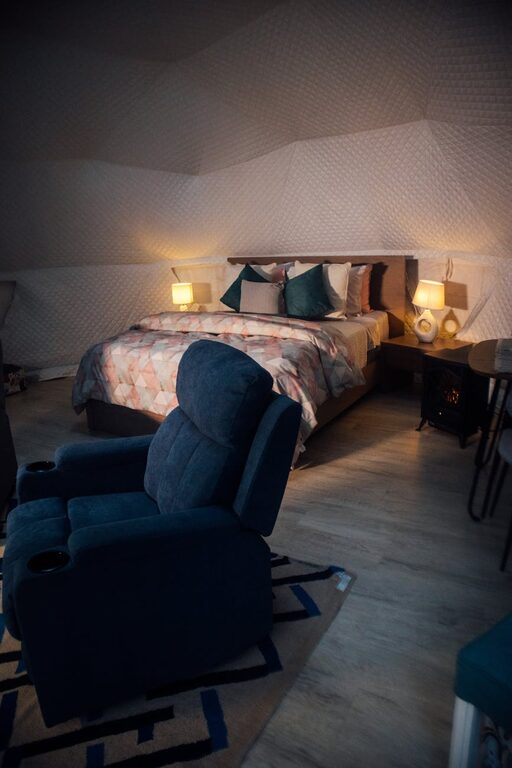
Creating the perfect lighting in your home is more than just a way to brighten rooms—it sets the mood, influences comfort, and even impacts how well you see and interact with your surroundings. Choosing comfortable home lighting can transform your living space into a warm, inviting environment tailored to your needs.
In this post, we’ll explore practical tips to help you select lighting that balances functionality with comfort, enhances your décor, and improves your everyday experience at home.
Why Comfortable Lighting Matters
Comfortable lighting isn’t just about brightness; it’s about creating an atmosphere that suits your lifestyle, promotes relaxation, and reduces eye strain. Poor lighting can lead to headaches, fatigue, or difficulty focusing, while the right lighting can make your home feel more welcoming and visually appealing.
Understand Different Types of Lighting
To choose comfortable lighting, it’s important to understand the three main types of lighting:
– Ambient Lighting: The general illumination that fills the room, providing overall brightness.
– Task Lighting: Focused lighting for specific activities like reading, cooking, or working.
– Accent Lighting: Decorative lighting used to highlight features like artwork or architectural details.
Combining these layers creates a balanced and comfortable lighting environment.
Tips for Choosing Comfortable Home Lighting
1. Assess Your Room’s Purpose
Each room has unique lighting needs. For example:
– Living rooms benefit from warm, soft ambient light with adjustable options to shift between relaxing and entertaining.
– Kitchens require bright, clear task lighting for food preparation.
– Bedrooms often use dimmable lights to support relaxation and sleep.
Take time to think about how you use each space.
2. Choose the Right Color Temperature
The color temperature of light, measured in Kelvins (K), affects the ambiance:
– Warm light (2700K–3000K): Creates a cozy, inviting feel—great for living rooms and bedrooms.
– Neutral light (3500K–4100K): Provides a balance suitable for kitchens and bathrooms.
– Cool light (5000K+): Mimics daylight, perfect for workspaces or areas needing high concentration.
Select bulbs with a color temperature that matches your desired atmosphere.
3. Opt for Dimmable Lighting
Dimmers allow you to adjust brightness based on time of day or activity, adding flexibility and comfort. They are especially useful in living rooms, dining areas, and bedrooms.
Make sure to choose bulbs compatible with dimmer switches for smooth control.
4. Consider the Bulb Type
Common lighting options include:
– LED bulbs: Energy-efficient, long-lasting, and available in various color temperatures.
– Incandescent bulbs: Provide warm light but consume more energy and have shorter lifespans.
– CFL bulbs: Moderate energy use but often take time to warm up and are less environmentally friendly.
LEDs are usually the best choice for comfortable and sustainable lighting.
5. Layer Your Lighting Sources
Avoid relying on a single overhead light. Combine ambient, task, and accent lighting to create depth and flexibility. For example:
– Pair ceiling fixtures with floor lamps and table lamps.
– Use under-cabinet lighting in kitchens.
– Add wall sconces to highlight artwork.
Layered lighting helps prevent harsh shadows and glare.
6. Minimize Glare and Harsh Shadows
Glare can cause discomfort and eye strain. To reduce glare:
– Use lampshades or diffusers to soften light.
– Position lights so they don’t shine directly into your eyes or reflect off screens.
– Choose matte or textured surfaces in your room to absorb rather than reflect light harshly.
7. Use Smart Lighting Solutions
Smart bulbs and lighting systems allow you to customize brightness, color, and schedules easily from your phone or voice assistant. They can help you create the perfect lighting scene for different times and activities, enhancing comfort and convenience.
8. Match Fixtures to Your Style and Needs
Choose fixtures that complement your décor and provide adequate light coverage. Consider size, style, and placement:
– Large chandeliers can serve as a focal point in spacious rooms.
– Sleek, minimalist fixtures might suit modern interiors.
– Adjustable lamps offer targeted task lighting.
9. Don’t Forget Natural Light
Maximize natural light during the day by using sheer curtains or blinds that control glare without blocking daylight. Natural light supports mood and productivity and reduces the need for artificial lighting.
Conclusion
Choosing comfortable home lighting involves balancing brightness, color temperature, fixture style, and functionality. By understanding your room’s needs and layering various lighting sources, you can create a warm, inviting, and practical atmosphere throughout your home.
Experiment with dimmers, smart bulbs, and different bulb types to find what feels best for you. With a little planning and thoughtful selection, your home’s lighting will not only illuminate but also enhance your everyday comfort and enjoyment.