
Desk Setup Tips for Focus and Comfort: Create Your Ideal Workspace
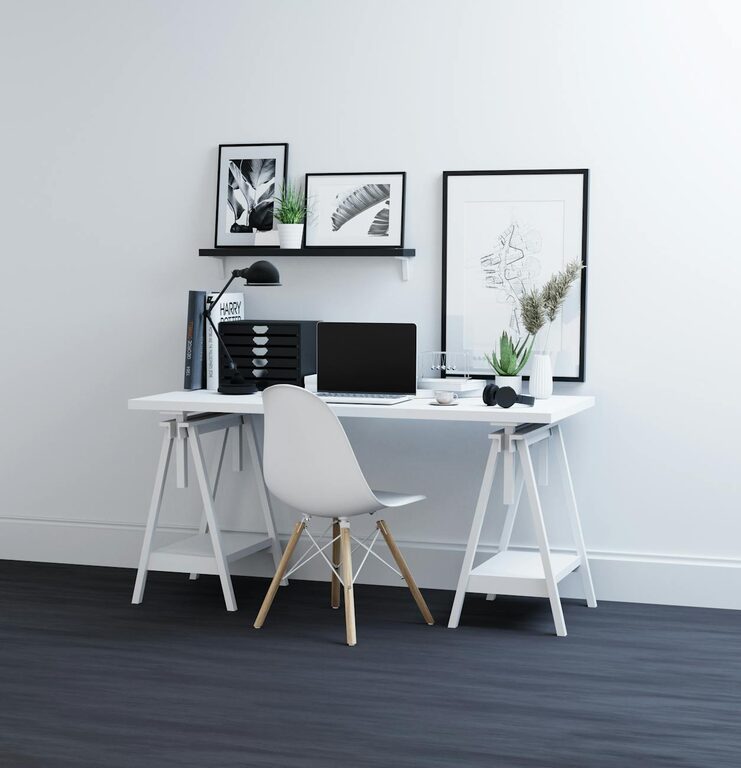
Creating a workspace that supports both focus and comfort is essential for productivity and well-being. Whether you work from home or spend long hours at the office, your desk setup can make a significant difference in how you feel and perform. This post shares practical tips to help you design a desk environment that encourages concentration, reduces strain, and keeps you comfortable throughout the day.
Why Your Desk Setup Matters
A well-organized and comfortable workspace can greatly improve your ability to focus. Distractions caused by clutter, poor lighting, or uncomfortable furniture can interrupt your workflow, causing fatigue and reducing efficiency. A thoughtful desk setup promotes better posture, minimizes physical discomfort, and enhances your mental clarity.
—
Essential Elements of an Effective Desk Setup
1. Choose the Right Desk and Chair
Your desk and chair form the foundation of your workspace. When selecting these pieces, prioritize ergonomics and adjustability.
– Desk height: Standard desks are usually around 29 inches tall, but the best height depends on your body size. Your elbows should be at about a 90-degree angle when typing.
– Chair support: Look for a chair with adjustable height, good lumbar support, and comfortable padding. It should support the natural curve of your spine.
– Adjustability: Chairs and desks that allow you to change positions (sit/stand desks) help reduce fatigue and improve circulation.
2. Position Your Monitor Correctly
The placement of your computer screen impacts both comfort and focus.
– Keep the top of your monitor at or just below eye level.
– Position the screen about an arm’s length away to reduce eye strain.
– Use a monitor stand or adjustable arm if necessary.
3. Optimize Lighting
Good lighting reduces eye strain and keeps you alert.
– Use natural light whenever possible, but avoid glare on your screen.
– Incorporate adjustable desk lamps with soft, warm light for late hours.
– Avoid harsh overhead fluorescent lights; consider bulbs that mimic daylight.
4. Declutter Your Workspace
Clutter can be distracting and stressful.
– Keep only frequently used items on your desk.
– Use organizers, trays, or drawers to store supplies.
– Regularly tidy your space to maintain a clean environment.
5. Personalize Thoughtfully
Adding personal touches helps create a welcoming space but avoid overdoing it.
– Choose a few meaningful items like photos, plants, or artwork.
– Ensure that decorations do not clutter or block your work area.
—
Tips for Enhancing Comfort and Focus
Ergonomics and Movement
– Take breaks: Stand up and stretch every 30-60 minutes to reduce stiffness.
– Foot support: Use a footrest if your feet don’t comfortably reach the floor.
– Keyboard and mouse: Position them to keep your wrists straight and close to your body; consider ergonomic options if needed.
Organizing for Productivity
– Use vertical space: Shelves or wall-mounted organizers save desk space.
– Cable management: Use clips or sleeves to keep wires neat and untangled.
– Task zones: Designate areas for computer work, writing, and reference materials to streamline tasks.
Sound and Ambiance
– Consider noise-cancelling headphones or soft background music to block distractions.
– Use calming colors and textures in your workspace to promote relaxation.
—
Easy Upgrades to Try Today
– Add a desk plant to bring life and improve air quality.
– Use a wrist rest for better typing comfort.
– Invest in a standing desk converter.
– Place a water bottle nearby to stay hydrated.
—
Conclusion
A thoughtful desk setup blends comfort and organization to create a workspace that enhances focus and productivity. Pay attention to ergonomics, lighting, and clutter control to build a setup that supports you throughout the day. Small changes can make a big difference in your work experience, helping you stay energized and efficient.
—
Creating your ideal workspace is an ongoing process. Try different arrangements, listen to your body, and adjust as needed to find what works best for you. Your desk isn’t just a surface–it’s your gateway to better work and wellbeing.